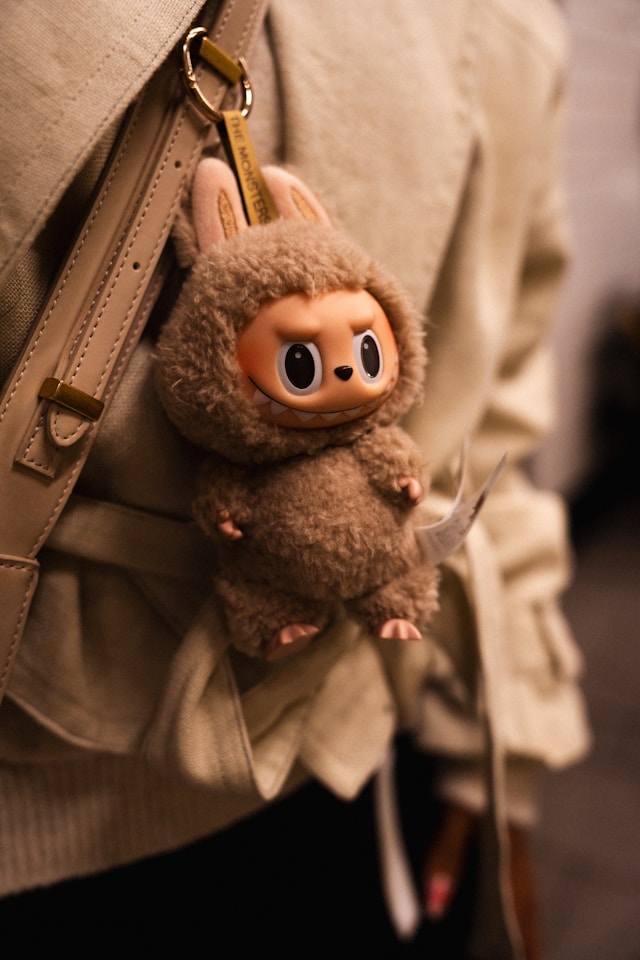
 Photo by Dushawn Jovic on Unsplash
A reader recently asked the question: “Are Labubu dolls demonic or is it a rumor created on the internet? I allowed my daughter to buy one. And now I’m wondering if I should throw it out. And if so, do I spread holy salts and water around my house?”
The question of whether or not Christians should buy into the designer Labubu doll craze due to rumors of its demonic origin has been circulating on the Internet for months now. Some say it’s inspired by the Mesopotamian demon Pazuzu and therefore demonic in origin, but the creator claims the idea for the dolls comes from Nordic mythology. So who’s right?
For those who have never heard of the dolls, they were created by a Hong-Kong-based artist known as Kasing Lung. The otherworldly little creatures are part of his “The Monsters” series and are produced in collaboration with a Chinese collectible toy company named Pop Mart, which is best known for its “blind-box marketing” strategy which means you never know what Labubu doll you’re getting until you open the box.
As author Evie Magazine writes in this article, “Labubu’s design is a paradox. It blends a childlike sense of fantasy with a grotesque, even unsettling aesthetic. While many describe it as ‘cute,’ its wild eyes, sharp teeth, and goblin-esque grin evoke something closer to folklore tricksters than cartoon mascots. In the world of toy design, it’s brilliant. In the world of spiritual symbolism? It’s a red flag.”
The “red flag” is the alleged resemblance of the figures to Pazuzu, an ancient demon known as the “King of the demons of the wind” who was associated with famine, plague, and storms. As Magazine points out, he is perhaps best known as the demonic entity that possessed Regan in The Exorcist.
“Both Labubu and Pazuzu share exaggerated features: wide, manic eyes; sharp, animalistic teeth; pointed ears; and a general aura of mischief turned malevolent,” Magazine writes. “The connection may seem like a stretch, until you remember that Pazuzu was often depicted smiling in ancient carvings, a trick to confuse humans about his true intentions.”
To further fuel the flames of controversy on social media were reports from people who bought the dolls and reported demonic manifestations.
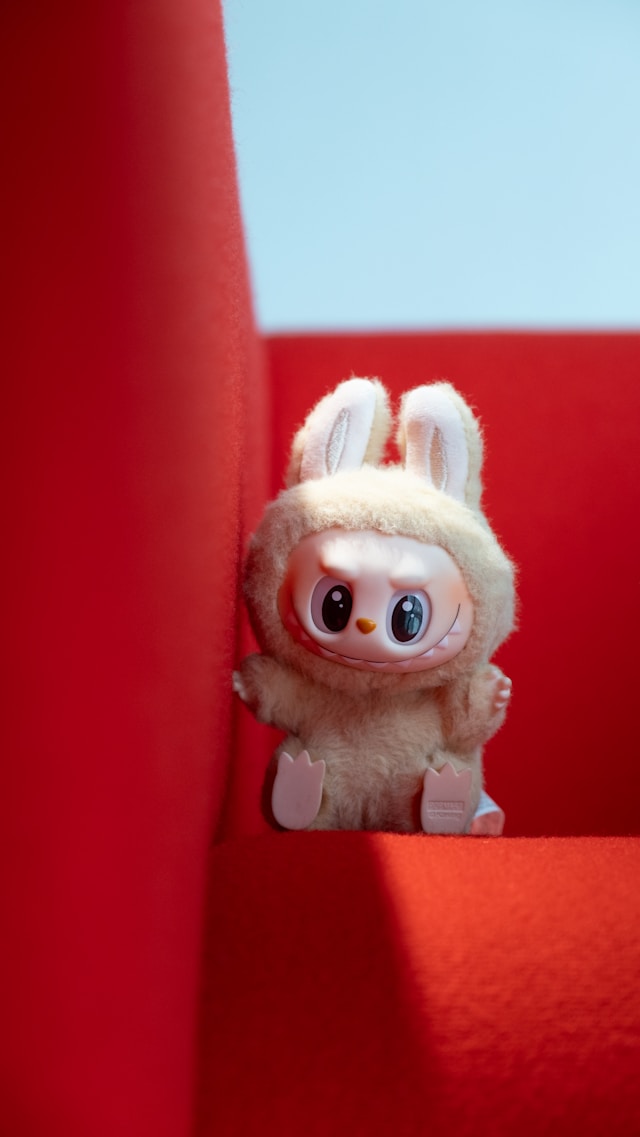 Photo by David Kristianto on Unsplash
“Some people claim that their Labubus moved around the house on their own. Others claim to be suddenly struggling with insomnia. These aren’t just isolated incidents, either. Dozens of similar stories have emerged. People report sudden emotional shifts after displaying the toy; feeling drained, irritable, or plagued by anxiety. Some even describe physical symptoms: headaches, insomnia, or that stomach-churning sense of being watched.”
These tales gained enough traction to catch the attention of popular podcasting exorcist, Father Carlos Martins, who appears to be warning against the doll in a Facebook post. Although he admits in the beginning of the video that he’s not familiar with the dolls, he goes on to say that if the word “demon” is associated with the doll, “why would you want to give your child a doll of the demon, even if it’s cute. As a Christian parent, there are many other things you can get your child rather than a doll that celebrates a demon.”
The issue then is whether or not Labubu dolls are modeled after Pazuzu.
Snopes weighed in on the question earlier this summer. “We've reached out to Lung for comment on any possible relationship between Labubu and Pazuzu and will update this article if we receive a response. We have opted not to give this claim a rating until we can receive confirmation from Lung directly that Pazuzu was not an inspiration for his character. However, based on available evidence and interviews given by Lung, it seemed that while characters in folklore had a direct influence on ‘The Monsters,’ Pazuzu was likely not one of them.”
In an interview with China Global Television Network Europe, Lung explains that he moved from Hong Kong to the Netherlands at age 7 where he was given storybooks to help him learn the Dutch language quickly.
"I also remember reading many fairy tales from Northern Europe and Scandinavia. I spent a lot of time reading in the library to improve my Dutch," Lung said. "After my studies, I was preparing to become an artist. I always thought about my childhood, what I've read and what I've always loved. So I've always come up with something related to the fairy tales and what I loved so much when I was a kid."
Rebekha King, Ph.D. who earned her degrees from Oxford and Cambridge and whose thesis explored representations of magic and occult knowledge in early modern drama, doesn’t see much of a connection between Labubu or Pazuzu. Her study of the controversy about the dolls has led her to believe that much of it is coming from “hardline Christian fundamentalists in the US, a group with a long history of connecting popular toys and games to occult forces trying to infiltrate the home.”
As she points out in this article, “Pazuzu usually leers with his mouth open; Labubu dolls have closed mouths. Pazuzu has a long tail; most of the Labubus don’t have tails at all. Pazuzu statues often have a threateningly raised right hand; I’ve never seen one of the dolls doing this. Pazuzu is a wind spirit and is depicted with wings; Labubus don’t have wings. He is always male. . . most of the dolls are canonically female. . .Pazuzu doesn’t have rabbit ears and doesn’t come in pastel colours…I could go on.”
However, the good news is that even if the dolls are based on Pazuzu, that doesn’t mean they're possessed because objects cannot be possessed by demons. They can only be influenced by demons via the presence of a curse, but even this is considered rare.
As Father Gabriele Amorth writes in his book, An Exorcist: More Stories, the infestation of an object is very rare. He recommends that a person "proceed with great prudence before claiming that something is infested” (pg.159).
One of ways to determine if an object has been cursed is to examine whether or not it was used in some kind of occult activity such as ritualistic magic. As Father Amorth writes, "If a magician gives us something, it is probably infested." (Note: Infestation does not mean that the devil is in the object, it simply means that the object was exposed to some kind of evil rite, generally with the intent to harm someone in particular.)
Whether or not Labubu dolls have any ties to the demonic remains an open question, but if the doll makes you uncomfortable, sacrifice the satisfaction of participating in the Labubu doll trend and don’t buy it. Better safe than sorry!
© All Rights Reserved, Living His Life Abundantly®/Women of Grace® http://www.womenofgrace.com